Ever found yourself cruising down the highway, ready to blast some Howard Stern or Octane on your SiriusXM radio satellite receiver, only to realize your older, "classic" radio is suddenly as silent as a library? You’ve got the new dock, you’ve got the cables, but that glorious FM transmission just isn't hitting your car speakers like it used to. It’s a tech mystery that has left many fans of radio satellite tuner systems scratching their heads.
The truth isn't just about a broken wire: it’s actually a wild story involving the federal government, a massive legal settlement, and a complete engineering overhaul of how satellite radio works in your car! Today, we are celebrating the evolution of satellite technology while diving deep into the history books to explain exactly why your vintage gear might need a modern companion to keep the music playing.
The Timeless Era: When FM Transmitters Ruled the Road

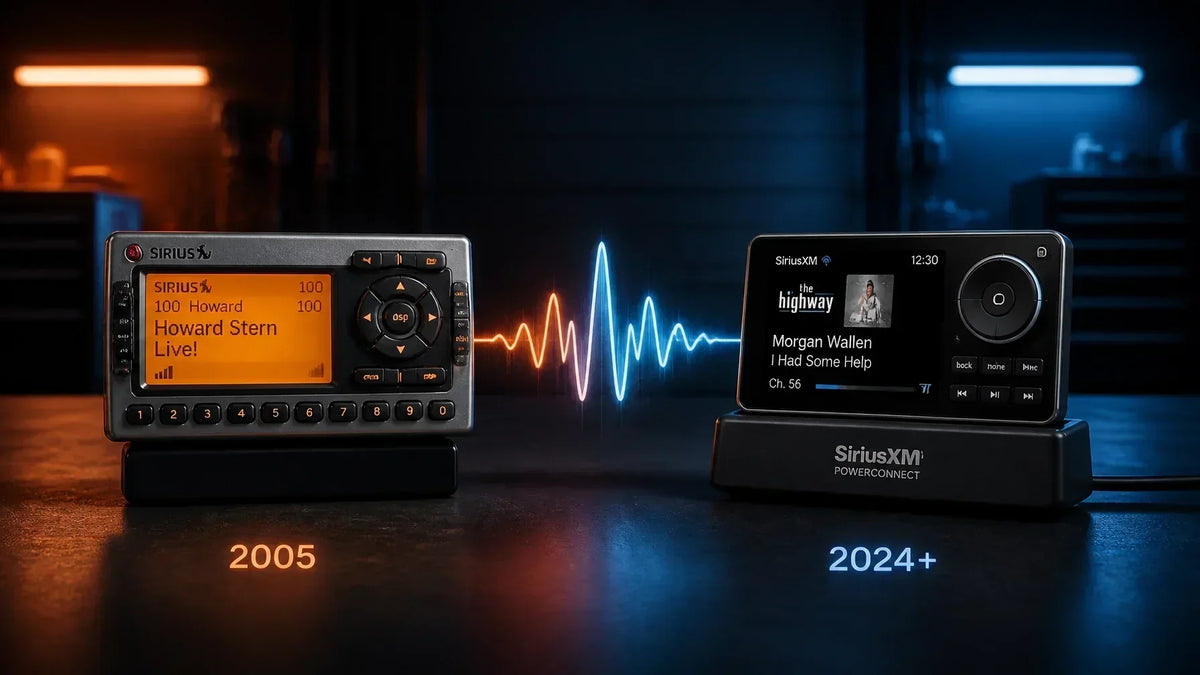
Back in the mid-2000s, the satellite radio world was like the Wild West. If you bought a radio satellite receiver like the legendary Sirius Sportster or the XM SkyFi, you were holding a powerhouse of broadcasting. These units featured powerful internal FM transmitters that could beam your satellite signal directly to your car’s FM radio with incredible strength.
In those days, you didn’t need complicated wires or auxiliary inputs. You just found a dead frequency on your FM dial, matched it on your satellite radio, and: BOOM: instant high-fidelity audio! It was a classic solution for a generation of drivers who wanted premium content without the clutter of a messy installation.
Classic Features of Older Units:
- Integrated Hardware: Powerful internal FM modulators built directly into the radio chassis.
- High Signal Output: Strong enough to broadcast to your car and sometimes even the car in the lane next to you!
- Universal Compatibility: Worked with almost any vehicle dock from that specific era.
- User-Friendly Menus: Dedicated "FM Settings" that gave users total control over signal strength.
The 2006 Shake-Up: Enter the FCC
In 2006, the party hit a speed bump. The Federal Communications Commission (FCC) began investigating Sirius and XM for violating Part 15 of the FM transmission laws. The problem? Those internal transmitters were too good. They were radiating signals far beyond the allowed limits for unlicensed devices, causing interference with local radio stations and other electronic equipment.
By 2008, the situation reached a boiling point. As Sirius and XM prepared to merge into the powerhouse we know today, they reached a massive settlement with the FCC. Part of that deal involved paying nearly $19.7 million in fines and, more importantly, agreeing to fundamentally change how their hardware transmitted FM signals.
This settlement was a turning point in satellite history. The FCC required that all newly manufactured radios significantly reduce their FM output. To comply with these strict new rules while still providing a clear signal for customers, engineers had to move the "brain" of the FM transmitter out of the radio and into the power accessories.
The PowerConnect Revolution: A New Way to Play

With the old internal transmitters essentially "neutered" to meet FCC standards, SiriusXM introduced PowerConnect technology. This was a brilliant engineering workaround that ensured you still got the best satellite radio for cars without breaking federal law.
Instead of the radio broadcasting a signal through the air from the dashboard, PowerConnect uses the vehicle’s own electrical system. The FM transmitter was moved from the radio body into the specialized power adapter: specifically the SXDPIP1.
How PowerConnect Works:
- Step 1: The satellite signal enters the radio through the antenna.
- Step 2: The audio travels down through the specialized multi-pin connector in the cradle.
- Step 3: The signal reaches the SXDPIP1 Power Adapter, which acts as a mini-broadcaster.
- Step 4: The FM signal is "injected" through the power line and picked up by your car’s radio antenna through the vehicle's wiring.
The Dock Dilemma: Why Old Radios Go Silent in New Docks
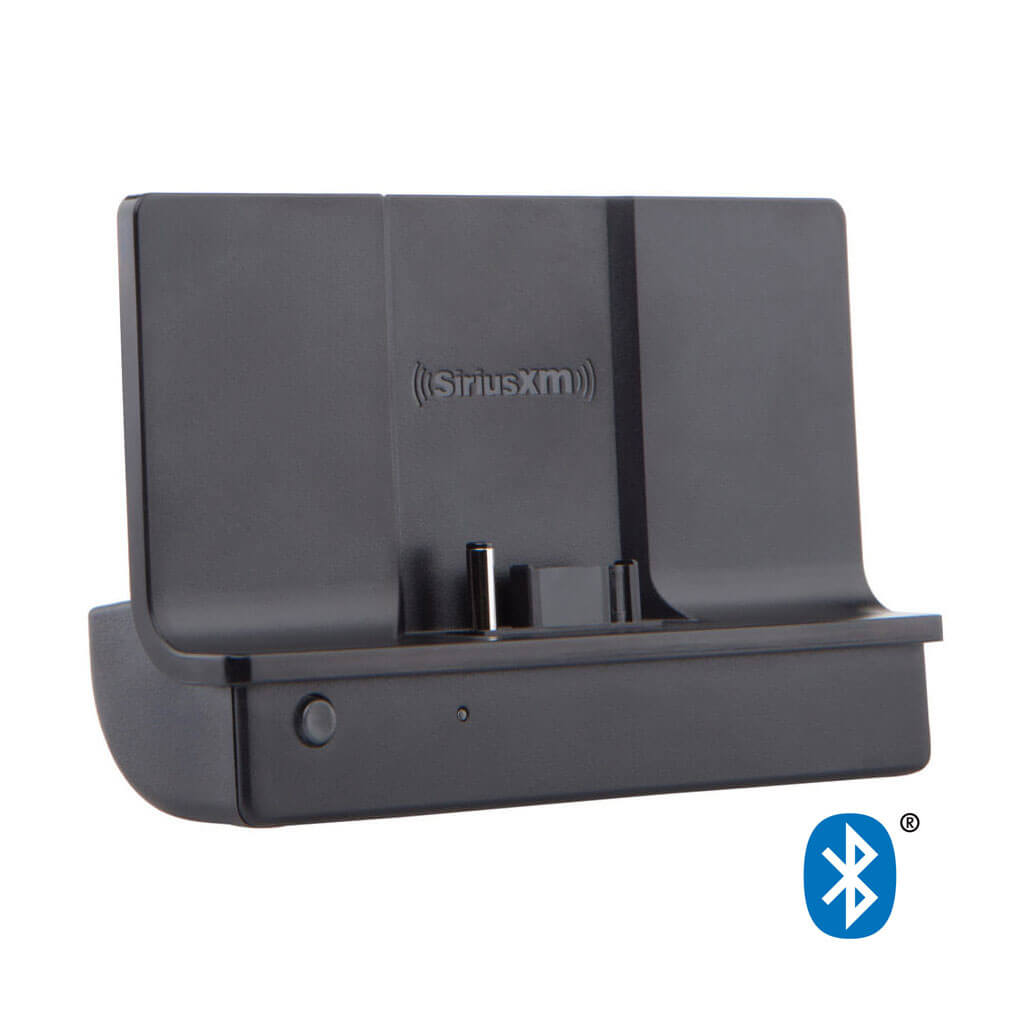
This is where the confusion starts for many of our valued customers. If you take a classic radio (like a Sportster 4 or an early Starmate) that has an internal transmitter and plug it into a modern PowerConnect Vehicle Dock, you might lose your FM signal entirely.
There are three main reasons for this technical "silent treatment":
- Pinout Mismatch: Newer PowerConnect docks are wired to send audio out through the power port to the adapter. Older radios were designed to send audio out through their own internal antenna. The new dock doesn't "know" how to activate that old internal hardware.
- Software Lockouts: Many "transitional" radios (those made around 2008-2010) are programmed to automatically disable their internal FM transmitter the moment they detect they are sitting in a PowerConnect cradle. This was a safety feature to ensure FCC compliance!
- The Missing Link: If you are using a new dock with a standard USB power cable instead of the SXDPIP1, there is no FM transmitter present in the chain at all. Your old radio thinks the dock is handling it, and the dock is waiting for a power adapter that isn't there.
The Solution: Meet the SXDPIP1 Power Adapter

If you want the absolute best performance from your radio satellite tuner, you need the right tools for the job. For anyone using modern cradles, the SXDPIP1 is the undisputed champion of the setup.
SXDPIP1 Availability and Access:
- Availability: In stock and ready for immediate shipping at Satellite Radio Superstore.
- Access: Compatible with all PowerConnect-certified vehicle docks and receivers.
- Access: Provides 5V DC power and FM modulation in one sleek package.
- Availability: Included in most of our universal vehicle kits.
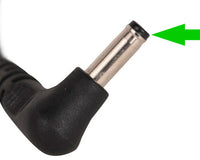
This adapter is specifically designed to bridge the gap between FCC regulations and your need for crystal-clear audio. It features a distinct red tip on the plug, signaling that it is a high-performance PowerConnect component.
PROMO ALERT: UPGRADE YOUR GEAR TODAY!
Don't let government regulations stand between you and your favorite music! Whether you are looking for the best satellite radio for cars or just need to fix your existing setup, we have the hardware you need at prices that can't be beat.
- USE CODE: FMFIX10 at checkout for 10% off all PowerConnect accessories!
- FREE SHIPPING on all orders over $50!
- EXPERT SUPPORT: Not sure which dock you have? Call our team of experts for a free compatibility check.
Building the Ultimate Setup: What You Need
To ensure you never have to deal with FM static again, we recommend a complete, modern chain. Mixing and matching parts from 2005 and 2026 can be fun for hobbyists, but for the daily commuter, consistency is key.
The Ideal Mobile Kit Includes:
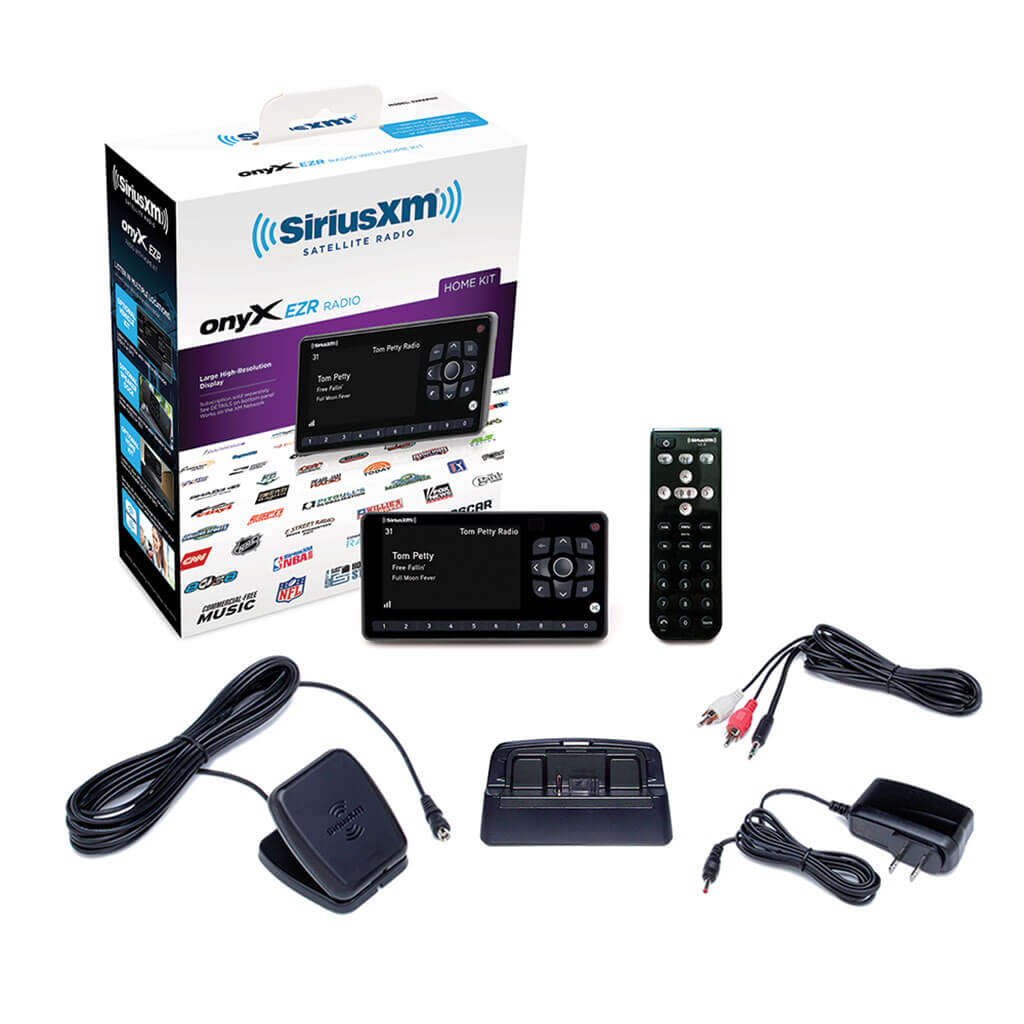
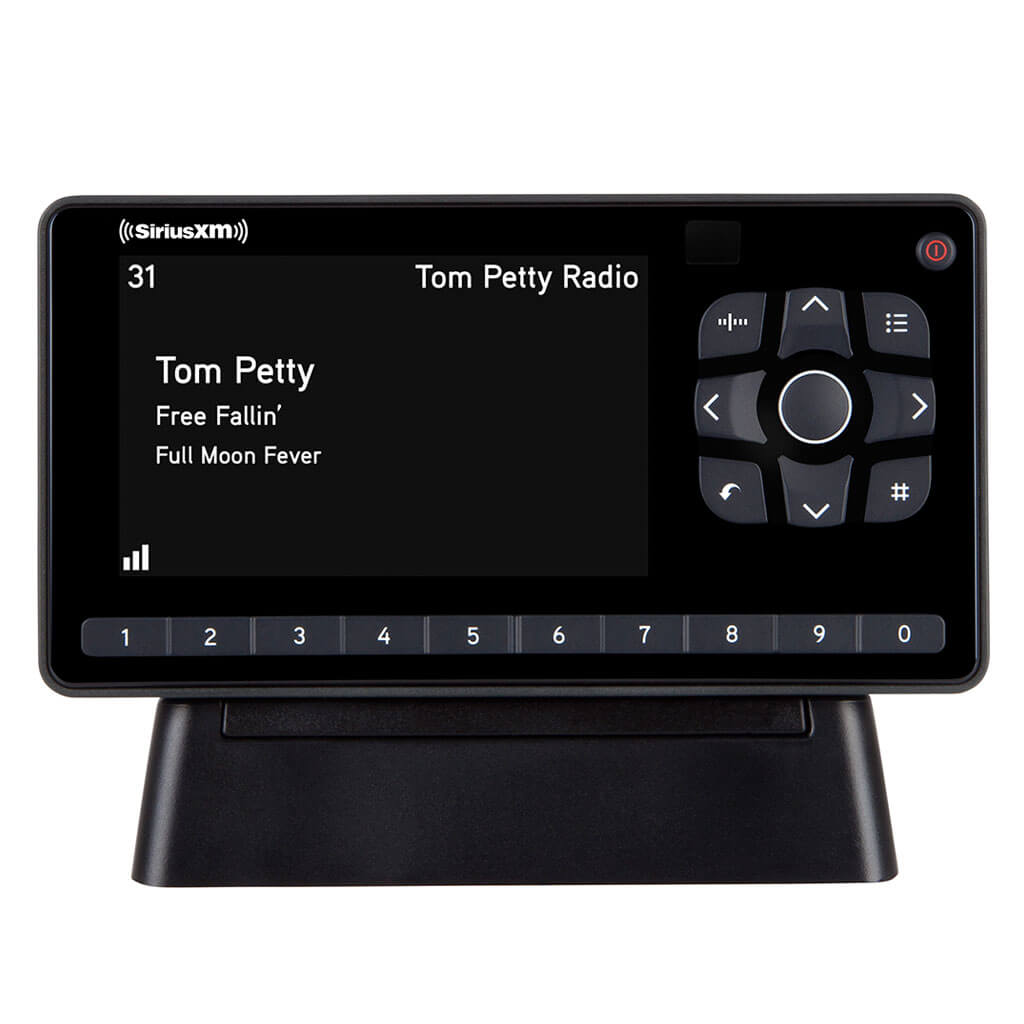
- The Receiver: A modern SiriusXM onyX EZR for full-color album art and 425+ channels.
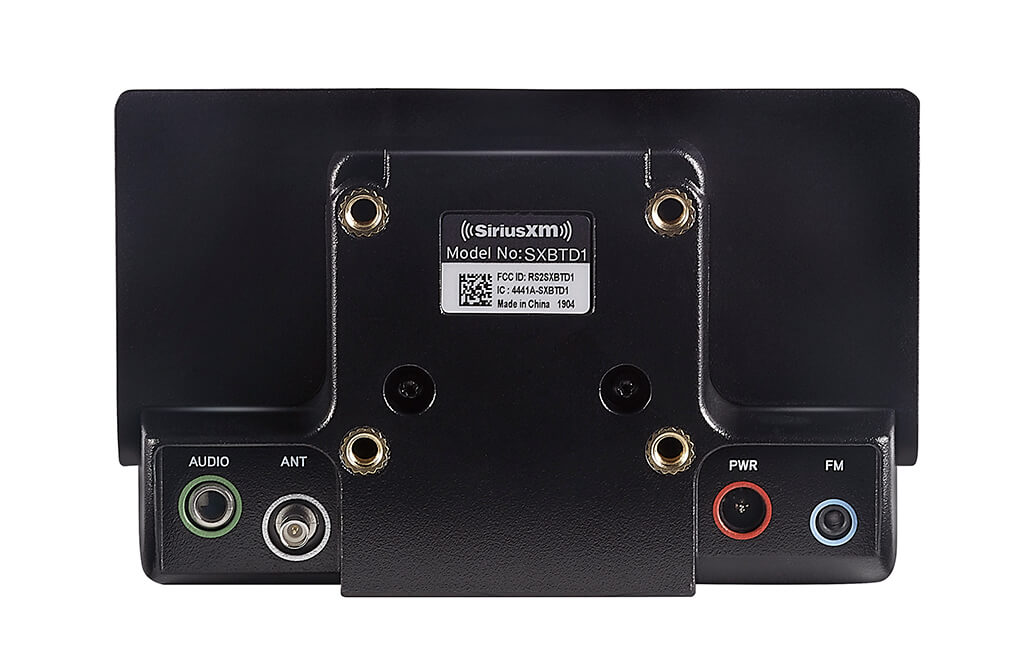
- The Dock: A universal PowerConnect cradle (look for the color-coded ports on the back!).
- The Power: The SXDPIP1 adapter for the strongest possible FM link.
- The Antenna: A high-gain magnetic mount antenna for uninterrupted satellite reception.
Conclusion: Celebrating Progress and Performance
The shift from internal FM transmitters to the PowerConnect system was a massive moment in the history of SiriusXM. While it might seem confusing at first, these changes were made to ensure that satellite radio could continue to grow, merge, and thrive while respecting federal guidelines.
At Satellite Radio Superstore, we are proud to be your guide through this ever-changing landscape. Whether you’re a fan of the classic hardware or you’re ready to jump into the latest touchscreen technology like the Commander Touch, we have the expertise to keep your playlist moving.